
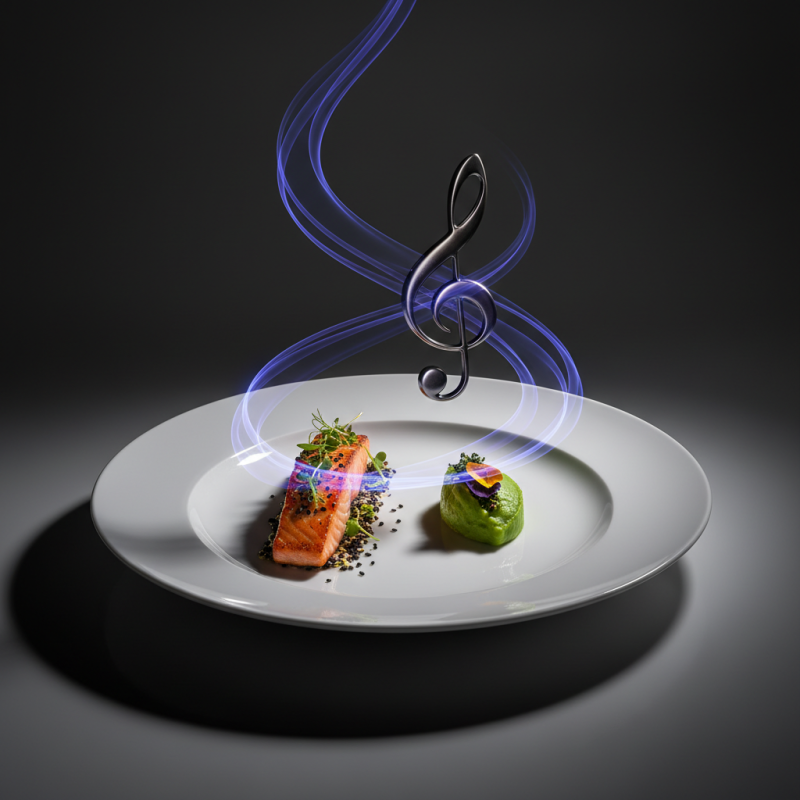
Imagine your favorite meal, perfectly cooked, beautifully presented. You take a bite, and it’s good, perhaps even great. But what if that familiar dish could suddenly taste… more? What if the secret to elevating your culinary enjoyment wasn’t an exotic spice or a new cooking technique, but something far more accessible, yet profoundly impactful, literally in the air around you? This isn’t just wishful thinking; it’s a revolutionary understanding of how our senses intertwine, demonstrating that music isn’t merely background noise, but a powerful, often overlooked, “secret ingredient” that profoundly impacts our perception of music food taste.
Welcome to the captivating world where science meets gastronomy, a realm increasingly defined by gastrophysics music and the pursuit of the ultimate sensory dining experience. For too long, we’ve relegated music to the role of ambiance, a pleasant distraction. But a growing body of scientific evidence reveals its astonishing capacity to directly influence the flavors we perceive, making sweet things sweeter, savory richer, and even bitter notes more nuanced. This article will meticulously explore the scientific basis, practical applications, and profound implications of how music makes your food taste better, transforming ordinary meals into extraordinary sensory journeys for food enthusiasts, home cooks, chefs, and anyone curious about the unseen forces shaping our enjoyment of food.
The Science of Sensory Symphony: Understanding Gastrophysics Music
The notion that sound could alter taste might seem counter-intuitive at first. We’re taught that taste resides solely on the tongue. However, modern science, particularly the burgeoning field of gastrophysics, is dismantling this simplistic view, revealing a complex and integrated sensory landscape where sound plays a surprisingly pivotal role. Understanding this intricate dance of senses is key to unlocking the full potential of music food taste.
Beyond the Tongue: How All Senses Contribute to Taste
To truly appreciate how music influences taste, we must first redefine what “taste” actually means. While our taste buds detect five basic tastes – sweet, sour, salty, bitter, and umami – what we commonly refer to as “flavor” is a far more sophisticated and holistic experience. Flavor is a grand symphony orchestrated by all our senses working in concert. Our eyes judge the appeal of a dish before the first bite; our nose detects volatile aromas that contribute overwhelmingly to what we perceive as taste; our sense of touch (mouthfeel) informs us about texture, temperature, and fattiness; and even our hearing, from the sizzle of a steak to the crunch of a crisp apple, adds crucial information. This multisensory integration means that our brain doesn’t just process individual sensory inputs; it weaves them together into a rich, coherent narrative we call flavor.
Cross-Modal Perception: The Brain’s Culinary Crossroads
At the heart of gastrophysics music lies the concept of cross-modal perception. This refers to the fascinating phenomenon where input from one sensory modality (like hearing) significantly influences or alters the perception in another sensory modality (like taste). Our brains are not passive recipients of sensory data; they are active interpreters, constantly integrating information from different channels to construct our reality. When we combine auditory and gustatory information, the brain performs an intricate dance, forming connections that can unconsciously enhance, diminish, or even transform the perceived characteristics of food. This is why a dish served in a noisy environment might taste different from the exact same dish enjoyed in serene silence. The context, including the soundscape, primes our expectations and shapes our entire sensory dining experience.
The ‘Sound of Sweetness’ and ‘Beat of Bitterness’: Neurological Connections
The influence of music on taste isn’t merely psychological; it’s rooted in our neurology. Pioneering researchers in gastrophysics, such as Professor Charles Spence of Oxford University, have conducted numerous studies demonstrating direct correlations between specific auditory properties and taste perceptions. For instance, high-pitched sounds and faster tempos have been consistently associated with increased perception of sweetness and acidity, while low-pitched notes and slower rhythms tend to amplify bitterness, richness, and even umami. These aren’t just arbitrary associations; they reflect deeply ingrained cross-modal correspondences within our brain. Think of the bright, tinkling sound of a high-pitched chime resonating with the lightness of sugar, versus the deep, resonant thrum of a cello echoing the complexity of dark chocolate. These neurological connections are what allow music to become a truly transformative element in shaping our music food taste. But exactly how do these musical elements exert their influence? Let’s delve deeper into the auditory menu.
Decoding the Auditory Menu: How Music Elements Influence Food Taste
The power of gastrophysics music lies not just in the presence of sound, but in the specific characteristics of that sound. Different musical elements act as distinct flavor enhancers or shapers, allowing us to “tune” our dining experiences with remarkable precision. By understanding these individual components, we can move beyond random background noise to intentionally craft a superior sensory dining experience.
Pitch and Tempo: The Sweet and Sour Notes
Perhaps the most well-documented correlations in music food taste involve pitch and tempo. Research consistently shows that high pitches and faster tempos are often associated with enhancing perceptions of sweetness, acidity, and perceived lightness in food and drink. Imagine a sparkling wine served with lively, high-frequency classical music – the effervescence and acidity might feel even more pronounced and refreshing. Conversely, low pitches and slower tempos tend to amplify sensations of bitterness, richness, and creaminess. A deep, resonant cello piece could make a dark chocolate mousse taste even more decadent and profound. This connection stems from inherent cross-modal correspondences: high frequencies are often linked to small, sharp objects and positive emotions, while low frequencies are associated with larger objects, depth, and sometimes melancholy or seriousness.
Melody and Harmony: Crafting Emotional Flavors
Beyond individual notes, the overarching structure of music through melody and harmony plays a significant role in emotional priming, which, in turn, influences taste. Major keys (typically sounding “happy” or “bright”) often evoke positive, lighter feelings. When paired with food, this can enhance the perception of pleasant, uplifting tastes, making a fresh salad feel even more vibrant or a dessert taste sweeter. On the other hand, minor keys (often perceived as “sad” or “serious”) can evoke depth, melancholy, or a sense of richness. These can be surprisingly effective in influencing the perception of complex or bitter notes, making a robust coffee or a sophisticated cheese board taste more nuanced and profound. The emotional landscape created by a piece of music subtly guides our interpretation of the flavors on our palate.
Volume and Rhythm: Intensity on the Palate
The volume of music might seem straightforward – too loud is distracting, too soft is negligible. However, there’s a delicate balance. Moderate volume allows the music to integrate seamlessly into the sensory dining experience, providing just enough stimulus to influence perception without overpowering the food itself. Overly loud music can actually reduce our ability to detect subtle flavors, while overly soft music may not exert enough influence.
Rhythm, the pulse of the music, can also significantly impact how we perceive food, particularly its texture and our eating pace. Sharp, staccato rhythms might unconsciously enhance the perceived crunchiness of fried chicken or a crisp apple. A slow, flowing rhythm might encourage slower, more mindful eating, allowing for greater appreciation of complex flavors. Imagine a rich, creamy risotto paired with a smooth, sustained melody – the music could enhance the perceived silkiness of the dish. Conversely, a lively, upbeat rhythm might encourage faster eating, perfect for a bustling casual dining setting.
Genre Specifics: Orchestrating Taste Profiles for a Better Sensory Dining Experience
Different musical genres carry their own cultural baggage, emotional associations, and distinct auditory characteristics, making them uniquely suited to influencing specific taste profiles. This is where the artistry of gastrophysics music truly comes into play for a better sensory dining experience.
Classical Music: Often associated with elegance, sophistication, and refined experiences. High-pitched string sections and soaring melodies can enhance perceived sweetness, subtlety, and nuanced flavors, making it an excellent choice for delicate desserts or fine dining experiences.
Jazz: Characterized by complexity, improvisation, and rich harmonies. Jazz can enhance the perception of richness, savory (umami) notes, and a sophisticated depth of flavor, pairing beautifully with hearty main courses, aged cheeses, or robust wines.
Rock/Heavy Metal: Known for its intensity, strong rhythms, and often lower frequencies. Surprisingly, studies suggest this genre can enhance bitterness, spiciness, or the overall intensity of a dish, making it a bold choice for spicy curries or strong, hoppy beers.
Pop/Upbeat Music: Generally cheerful, energetic, and accessible. Pop music can make food seem more vibrant, fresh, and generally enjoyable, enhancing lighter dishes, fresh salads, or casual, celebratory meals.
Understanding these genre-specific influences allows for a truly intentional approach to pairing music and food, unlocking new dimensions of flavor. But how can individuals and establishments practically apply this knowledge to curate their own culinary soundtracks?
Curating Your Culinary Soundtrack: Practical Applications for Music Food Taste
The insights from gastrophysics music are not merely academic curiosities; they offer tangible, actionable strategies for enhancing every sensory dining experience, from your kitchen table to the most exclusive restaurants. By deliberately choosing our auditory accompaniment, we gain unprecedented control over music food taste.
Elevating Home Dining: Personalized Sensory Dining Experiences
For the home cook and food enthusiast, the power of music offers an exciting new frontier for personalizing and elevating everyday meals. No longer confined to the background, music can become an active ingredient in your culinary creation.
Tips for selecting music for different meals:
Breakfast: Start with light, uplifting classical or acoustic music to enhance the freshness of fruit or the comforting warmth of pastries. Avoid anything too jarring.
Romantic Dinner: Opt for smooth jazz, soulful R&B, or elegant classical pieces with moderate tempos and harmonies to foster intimacy and enhance the richness of your chosen dishes.
Family Feast: Upbeat, cheerful pop or world music can create a lively, communal atmosphere, making shared dishes feel more vibrant and enjoyable.
Comfort Food Night: Think soothing instrumental music, gentle folk, or nostalgic tunes that evoke warmth and familiarity, enhancing the comforting aspects of a stew or casserole.
Experimenting with playlists to enhance specific dishes: Don’t be afraid to create bespoke playlists. Imagine enjoying a hearty Italian pasta dish accompanied by classic Italian opera or a lively Neapolitan folk song – the experience becomes instantly more authentic and the flavors more vibrant. Pair sushi with ambient Japanese koto music for a tranquil and refined experience, or spicy tacos with lively Mariachi music to amplify the heat and festive spirit.
Creating themed dining experiences at home: Take it a step further. If you’re hosting a Spanish tapas night, a playlist of flamenco guitar and bossa nova will not only set the mood but also subtly influence the taste perception of your patatas bravas and sangria. A Hawaiian luau-themed dinner demands ukulele music, transporting guests and enhancing the tropical notes of the food. The goal is to create a cohesive sensory bubble where food and sound become inseparable.
Restaurant Revolution: The Strategic Use of Gastrophysics Music
For restaurant owners and chefs, gastrophysics music presents a groundbreaking opportunity to differentiate their establishments, optimize customer satisfaction, and even influence purchasing behavior. The strategic use of music can transform a simple meal into an unforgettable sensory dining experience.
Influencing customer perception: Restaurants can use music to subtly influence how customers perceive everything from food quality to portion size and even their willingness to spend. Upbeat, fast-tempo music might encourage faster eating and higher table turnover in a casual setting, while slow, sophisticated music in a fine dining establishment can encourage guests to linger, savor, and perhaps order more expensive items or wine. Research has shown that playing classical music can make customers perceive a restaurant as more upscale and even spend more.
Case studies of sensory design: Renowned chefs and restaurateurs are already embracing this science. Heston Blumenthal’s “Sound of the Sea” dish at The Fat Duck famously comes with an iPod playing the sounds of the ocean, dramatically enhancing the perceived freshness and brininess of the seafood. M&M’s collaborated with Professor Spence to create music that enhanced the chocolate’s sweetness and creaminess in their advertisements. These examples highlight the immense potential of integrating sound into culinary design.
Designing playlists for different dining zones: A single restaurant often has multiple zones, each requiring a different sonic identity. The bar area might benefit from energetic, social music; the fine dining area might call for elegant, understated classical or jazz; and a casual cafe could thrive with bright, contemporary pop or indie folk. Curated playlists, dynamically adjusted throughout the day or for special events, can ensure that the music consistently complements and elevates the intended music food taste and overall atmosphere.
Product Development and Marketing: A New Flavor Frontier
Beyond dining spaces, the principles of gastrophysics music are beginning to reshape product development and marketing in the food and beverage industry. Companies are realizing that the sound environment can significantly enhance product appeal and consumer perception.
Music in advertising and in-store experiences: Imagine a coffee commercial where the robust, deep notes of the coffee are enhanced by low-pitched, rich cello music, or a sparkling water ad featuring high-pitched, effervescent melodies. In-store music can guide consumers towards certain product sections or enhance the perception of freshness and quality. Supermarkets often play slow music to encourage longer browsing and potentially more purchases, while fast food chains might play faster music to encourage quicker service and higher turnover.
Pairing beverages with music: This is particularly potent for beverages like wine, coffee, or craft beer. A wine tasting could be accompanied by different pieces of music designed to bring out specific notes – a bright, high-pitched piece for a zesty Sauvignon Blanc, or a deep, resonant composition for a full-bodied Cabernet Sauvignon. Coffee brands can experiment with music that emphasizes bitterness for an espresso or sweetness for a latte. This creates an optimized sensory dining experience even for a single sip.
These practical applications underscore that music is no longer a peripheral element but an integral component in shaping our enjoyment and perception of food. But as with any frontier, there are challenges and exciting new horizons to explore.
The Future of Flavor: Challenges and New Horizons in Sensory Dining Experience
While the evidence for gastrophysics music is compelling, the journey to fully integrate sound into our culinary world is still evolving. Understanding the nuances, embracing new technologies, and acknowledging human variability are crucial for the future of the sensory dining experience.
The Subjectivity of Sound: Individual Preferences and Cultural Context
One significant challenge is the inherent subjectivity of both music and taste. What one person finds appealing, another might find grating. While general trends in cross-modal perception exist (e.g., high pitch = sweetness), individual preferences, personal associations, and past experiences with certain genres of music can significantly alter their impact on music food taste. A person who dislikes classical music might not experience the same enhancement of sweetness as someone who appreciates it, even if the neurological predisposition exists.
Furthermore, cultural context plays a massive role. Music that evokes celebration in one culture might signify solemnity in another. Similarly, certain food pairings are deeply ingrained culturally. Successfully integrating music into a global culinary landscape requires sensitivity to these diverse preferences and traditions, moving beyond a one-size-fits-all approach. This necessitates a more personalized and adaptive strategy.
The Role of AI and Personalization in Music Food Taste
The future of gastrophysics music is undoubtedly intertwined with artificial intelligence and personalization. Imagine a smart dining system that, based on your dietary preferences, mood, and even real-time biometric data, curates a unique musical soundtrack for your meal.
Predictive algorithms for ideal music-food pairings: AI could analyze vast datasets of consumer preferences, musical characteristics, and food profiles to generate highly effective music-food pairing recommendations. This could go beyond genre, delving into specific instruments, timbres, rhythms, and harmonies to optimize a dish’s perceived attributes.
Personalized sensory dining experiences: Future restaurants might offer diners personalized headsets or table-specific sound zones, allowing each guest to select a sonic accompaniment tailored to their exact preferences and the specific dishes they’ve ordered. This level of customization would elevate the sensory dining experience to an unprecedented level, making every meal truly unique. Home smart speakers could integrate with meal planning apps to automatically suggest or play optimal music for your homemade dinners.
Beyond Taste: Music’s Impact on Digestion and Well-being
The influence of music extends beyond mere taste perception. Emerging research suggests that music can have broader physiological effects during eating, impacting digestion and overall well-being. Calm, slow music has been shown to reduce stress, which can positively influence digestion and nutrient absorption. Conversely, very loud or chaotic music can increase stress, potentially hindering the digestive process.
As our understanding of the body-mind connection deepens, we may find that the right soundtrack for a meal not only enhances flavor but also promotes healthier eating habits, reduces instances of overeating (by encouraging slower consumption), and contributes to a more holistic sense of well-being. This opens up entirely new avenues for research and application, suggesting that music food taste is just one facet of music’s profound role in our relationship with food.
The Symphony on Your Plate – A New Dimension to Culinary Enjoyment
We began with a simple question: What if your favorite meal could taste more? As we’ve journeyed through the fascinating landscape of gastrophysics music, it becomes undeniably clear that music is far more than mere background noise; it is a fundamental ingredient, a silent conductor orchestrating the overall music food taste experience.
We’ve uncovered the scientific basis for this phenomenon, exploring how our senses intertwine through cross-modal perception and the neurological connections that link specific sounds to perceived flavors. From the high-pitched sweetness of a flute to the low-frequency richness of a bassoon, every musical element holds the potential to reshape our palate. We’ve examined practical applications, empowering home cooks to create personalized sensory dining experiences, equipping restaurant owners with innovative tools for enhancing customer satisfaction, and offering new frontiers for food product development and marketing.
The future of flavor is multisensory, dynamic, and intensely personal. As technology advances and our understanding deepens, the integration of sound into our culinary world will only become more sophisticated and seamless.
So, the next time you prepare a meal or sit down to eat, pause and consider the soundscape. You hold the power to unlock new dimensions of flavor and transform your ordinary meal into an extraordinary culinary adventure. What music will you choose for your next meal to elevate your sensory dining experience?